2024. 6. 11. 12:27ㆍ카테고리 없음
The Influence of Roman Political Systems on Modern Politics
The Roman Empire significantly influenced various aspects of modern society, especially in political systems. The Roman Republic and Imperial systems have impacted parliamentary structures, legislative processes, and the separation of powers, forming the foundation of contemporary political systems. This post explores how Roman political structures have shaped modern politics.
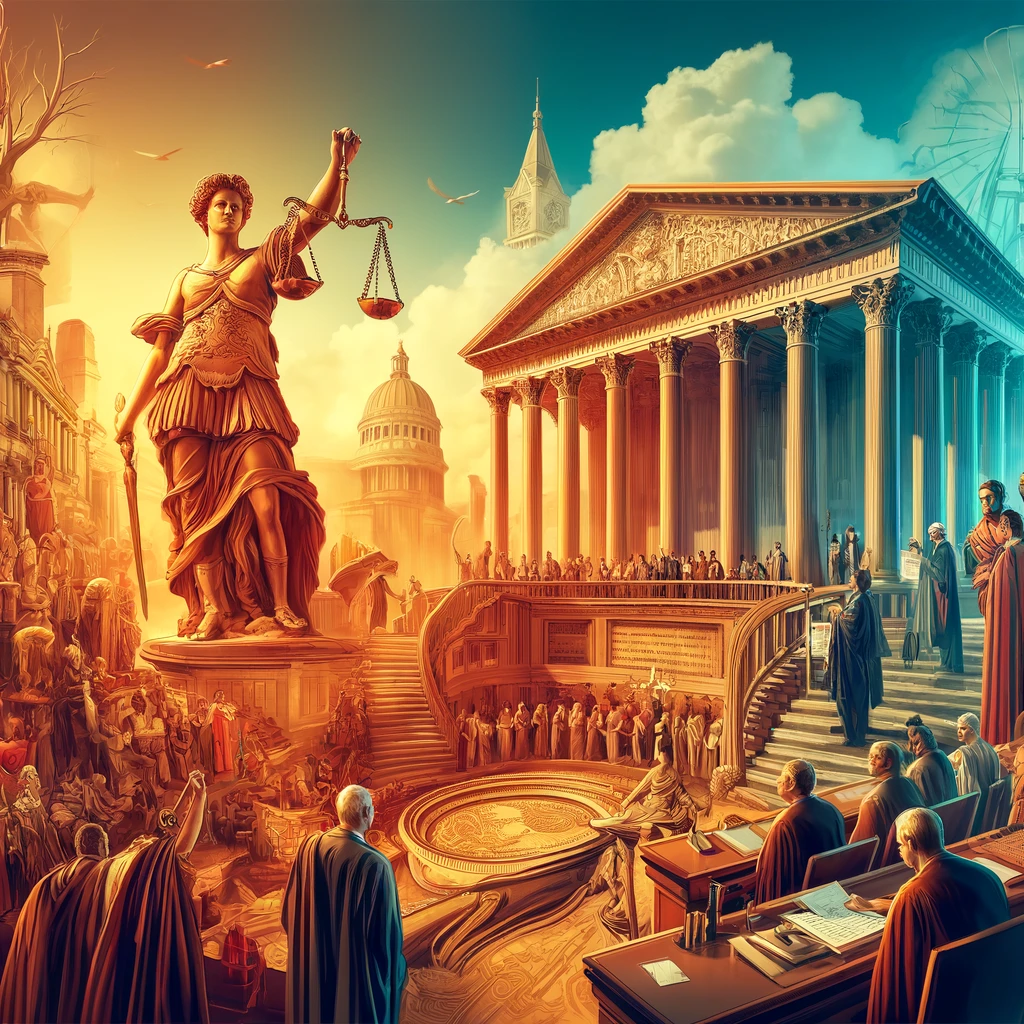
Characteristics of the Roman Republic
The Roman Republic was established in 509 BC and lasted until 27 BC. It featured several unique political structures:
- Consuls: Two consuls shared the highest power in Rome. They were elected for one-year terms and could check each other's power.
- Senate: The Senate was a crucial decision-making body composed mainly of aristocrats. It made significant decisions on foreign policy, finance, and military matters.
- Plebeian Council: This council protected the rights of the common people (plebeians). It proposed laws and elected consuls.
- Comitia Tributa: This assembly involved all Roman citizens in legislative processes and elected public officials.
Characteristics of the Roman Empire
The Roman Empire began in 27 BC with Augustus becoming the first emperor. The imperial system concentrated absolute power in the emperor:
- Emperor: The emperor held all power, including legislative, military, and religious authority.
- Bureaucracy: The Roman Empire developed a sophisticated bureaucracy to manage its vast territories, which laid the groundwork for modern administrative systems.
- Legal System: The Empire established a systematic and unified legal framework, which later became the foundation for European legal systems.
Impact on Modern Political Systems
Roman political structures have profoundly influenced modern political systems, particularly in the following areas:
- Parliamentary Structure
- Bicameral Legislature: The Roman Senate and Plebeian Council influenced the structure of modern bicameral legislatures, such as the Senate (upper house) and House of Representatives (lower house).
- Legislative Process: The legislative process in Rome, involving proposal, debate, and approval by different groups, resembles modern parliamentary procedures.
- Separation of Powers
- Executive Branch: The Roman consuls' system influenced modern executive branches, where the president or prime minister acts as the head of the government.
- Balance of Power: The Roman Republic's system of checks and balances, with consuls, Senate, and assemblies, inspired the modern principle of separation of powers among the executive, legislative, and judicial branches.
- Legislative Processes
- Foundation of Legal Systems: Roman law became the basis for modern legal systems, especially in civil law, criminal law, and commercial law.
- Public Legislation: Roman law-making processes were transparent and public, akin to modern democratic legislative procedures.
- Public Services and Administration
- Bureaucracy: The sophisticated Roman bureaucracy laid the groundwork for modern administrative systems, ensuring efficient governance.
- Public Projects: Rome's investment in infrastructure, such as roads, aqueducts, and public buildings, influenced modern governments' approach to infrastructure development and maintenance.
- Political Culture
- Citizen Participation: The Roman political system emphasized citizen participation, influencing modern democratic practices where citizens actively participate in elections and political processes.
- Political Debate: Rome fostered a culture of public debate on important issues, a tradition that continues in modern parliamentary and public forums.
Conclusion
The Roman political system laid the foundation for modern political structures. The features of the Roman Republic, such as the parliamentary structure, separation of powers, legislative processes, and bureaucracy, play a vital role in contemporary democracies. Understanding the political legacy of Rome helps us appreciate the development and functioning of modern democratic and legal principles.
Additional Questions
- What are the key differences between the Roman political system and modern democracy?
- How did the Roman Empire's imperial system influence modern politics?
- How specifically has the Roman legal system been applied in modern legal frameworks?
- What other impacts has Roman political culture had on modern society?
- How does the Roman political system compare to other ancient civilizations' political systems?
1. What are the key differences between the Roman political system and modern democracy?
Several important differences exist between the Roman political system and modern democracy:
- Suffrage: In the Roman Republic, suffrage was limited, with significant distinctions between the rights of aristocrats and commoners. Slaves and women could not participate. Modern democracy extends suffrage to all adult citizens.
- Election Process: In Rome, public offices were often held by individuals from the upper class. Modern democracies ensure fair and transparent elections where all citizens can run for public office.
- Power Concentration: The Roman Empire saw power concentrated in the emperor. Modern democracies maintain a balance of power through the separation of powers among the executive, legislative, and judicial branches.
- Application of Law: In Rome, laws could apply differently to aristocrats and commoners. Modern democracies emphasize the principle of equality before the law.
2. How did the Roman Empire's imperial system influence modern politics?
The Roman Empire's imperial system influenced modern politics in several ways:
- Centralized Government: The Roman emperor's model of a centralized government influenced modern states' approach to strong central governance and efficient administration.
- Caesarism: The concept of Caesarism, where a leader holds significant personal power, influenced some modern political leaders who pursue authoritative governance.
- Administrative System: The Roman emperor's bureaucracy set a precedent for modern administrative systems, crucial for efficient government operation.
3. How specifically has the Roman legal system been applied in modern legal frameworks?
The Roman legal system has been integrated into modern legal frameworks in the following ways:
- Civil Law: Roman civil law laid the groundwork for modern civil law systems. Roman principles of contract law, property law, and inheritance law remain crucial today.
- Equality Before the Law: Roman law's emphasis on equality before the law influenced modern legal systems' focus on equal treatment for all citizens.
- Legal Education: Roman law serves as a foundation for legal education. Many law schools teach Roman law principles to help students understand contemporary legal systems.
4. What other impacts has Roman political culture had on modern society?
Roman political culture has had various impacts on modern society:
- Public Debate: Rome's tradition of public debate on significant issues has influenced modern political and public discourse.
- Citizen Participation: The Roman emphasis on citizen participation has contributed to the active engagement of citizens in modern democratic processes.
- Rule of Law: Rome's focus on the rule of law has been foundational for modern societies prioritizing legal integrity and fairness.
5. How does the Roman political system compare to other ancient civilizations' political systems?
Comparing the Roman political system to other ancient civilizations reveals several differences:
- Greece: Greek city-states like Athens experimented with direct democracy, where citizens voted on laws directly. In contrast, Rome adopted a representative democracy where citizens elected representatives.
- Egypt: Ancient Egypt practiced theocratic governance, with the Pharaoh holding absolute power as a deity's representative. Rome, however, transitioned from a republic to an empire with more complex power structures.
- China: Ancient Chinese civilizations, such as the Han Dynasty, developed a centralized, bureaucratic state with a merit-based civil service system. This differs from Rome's evolution from a republic to an imperial system with hereditary elements.