2024. 6. 12. 09:50ㆍ카테고리 없음
The Influence of Roman Food Culture on Modern Cuisine
The Roman Empire has significantly impacted many aspects of modern life, including food culture. Roman culinary practices and recipes have left a lasting legacy on contemporary cuisine. This post explores how Roman food culture has influenced modern cuisine and provides specific examples.
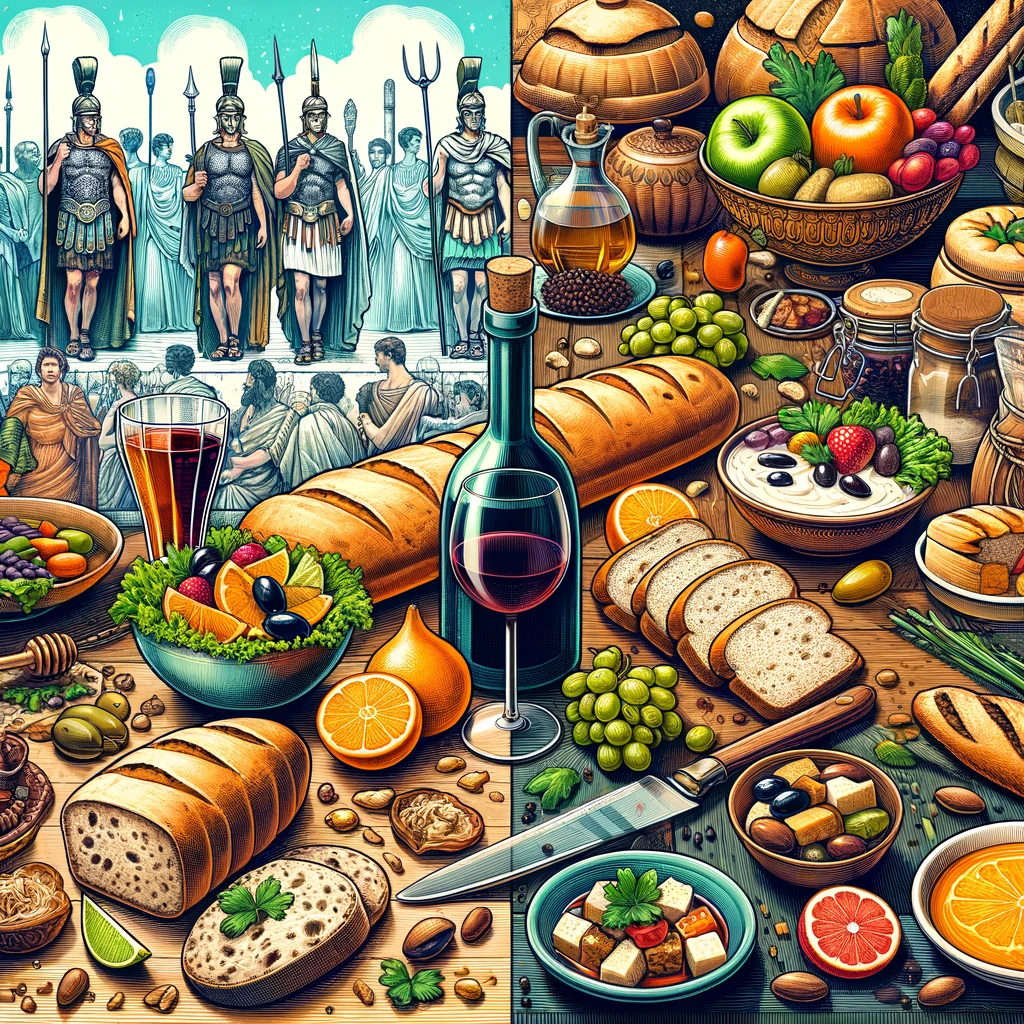
Key Elements of Roman Food Culture
Roman food culture was diverse and rich, reflecting the variety of ingredients available across the empire. Meals were an essential part of social life. Key features of Roman food culture include:
- Wine: Wine was a staple in Roman dining. Romans typically diluted wine with water and placed great importance on the quality and flavor of their wine.
- Bread: Bread was a fundamental part of the Roman diet. Various types of bread were available, with higher-quality bread favored by the wealthy.
- Luxury Foods: Roman aristocrats enjoyed extravagant meals featuring ingredients like bird tongues, snails, and fish.
- Spices and Sauces: Roman cuisine used various spices and sauces to enhance flavor. Garum, a fermented fish sauce, was a key ingredient in many dishes.
- Vegetables and Fruits: Romans consumed a wide variety of vegetables and fruits, including olives, figs, grapes, and apples.
Influence of Roman Food Culture on Modern Cuisine
Roman food culture has influenced modern cuisine in several ways:
- Wine Culture: The Roman tradition of enjoying wine significantly impacted contemporary wine culture, especially in Europe. Practices such as wine tasting and pairing trace their origins back to Roman times.
- Bread Diversity: The variety of bread types enjoyed by Romans continues to be popular today. For instance, Italian focaccia and French baguettes are inspired by Roman bread-making techniques.
- Gourmet Cooking and Fine Dining: The luxurious meals of Roman aristocrats have influenced modern gourmet cooking. Today's fine dining establishments often use high-quality ingredients and sophisticated cooking techniques reminiscent of Roman feasts.
- Use of Spices and Sauces: The Roman emphasis on spices and sauces persists in modern cuisine, particularly in Italian cooking, which frequently uses herbs and sauces derived from Roman recipes.
- Importance of Vegetables and Fruits: The diverse array of vegetables and fruits consumed by Romans is a cornerstone of modern healthy eating, particularly the Mediterranean diet, which draws heavily from Roman food culture.
Specific Examples
- Italian Cuisine: Italian cuisine is heavily influenced by Roman food culture. Dishes like pasta, pizza, and risotto have their roots in Roman culinary traditions.
- Wine Festivals: Wine festivals across Europe celebrate the legacy of Roman wine culture, promoting interaction between wine producers and consumers and preserving Roman wine traditions.
- Fine Dining Menus: Modern fine dining restaurants often include dishes inspired by Roman cuisine, using luxurious ingredients like truffles and caviar.
Conclusion
Roman food culture has left a lasting impact on modern cuisine. Elements such as wine, bread, gourmet cooking, spices and sauces, and the use of vegetables and fruits continue to be beloved aspects of our culinary traditions. Understanding Roman food culture helps us appreciate the origins and development of modern cuisine. The legacy of Roman food culture remains evident in our everyday dining experiences.
Additional Questions
- What are some other interesting elements of Roman food culture?
- What are the differences between Roman food and modern food culture?
- How can Roman spices and sauces be incorporated into modern recipes?
- How does Roman gourmet culture compare to that of other ancient civilizations?
- Can you provide recipes for dishes that modernize Roman food culture?
1. What are some other interesting elements of Roman food culture?
Roman food culture was diverse and rich with unique practices:
- Meal Times: Romans ate three meals a day: breakfast (ientaculum), lunch (prandium), and dinner (cena), with dinner being the main social meal.
- Spices and Herbs: Romans used various spices and herbs, including pepper, caraway, thyme, and mint, to enhance their dishes.
- Desserts: Roman desserts often featured honey. Popular desserts included honey cakes, fruits, and cheeses, with dried figs and sweet wine being particularly favored.
- Street Food: Romans enjoyed street food like panis (bread), olives, cheese, and nuts, which were easy to eat on the go.
- Banquets: Roman aristocrats frequently held lavish banquets with multiple courses, entertainment, and elaborate dishes.
2. What are the differences between Roman food and modern food culture?
Key differences between Roman and modern food culture include:
- Ingredients: Romans did not have access to New World ingredients like tomatoes, potatoes, corn, and chocolate, which are staples in modern cuisine.
- Cooking Methods: Romans cooked using open flames and stone ovens, unlike today's electric and gas ovens.
- Spice Availability: Romans used locally sourced spices and herbs, whereas modern cuisine benefits from a global spice trade.
- Role of Food: In Roman times, food was a status symbol, reflecting wealth and social standing. Today, while food still plays a cultural role, there is also a significant focus on health and wellness.
3. How can Roman spices and sauces be incorporated into modern recipes?
Incorporating Roman spices and sauces into modern recipes can enhance flavor:
- Garum Sauce: Use garum sauce to add umami to salads, seafood, or vegetable dishes.
- Herbs and Spices: Incorporate thyme, mint, and rosemary into meat dishes, stews, and breads for a Roman touch.
- Honey: Use honey as a sweetener in desserts and sauces. Honey-glazed meats or honey-sweetened cakes can add a Roman flavor to your meals.
- Wine: Incorporate wine into sauces and marinades for meats, or use it to cook fruits for desserts.
4. How does Roman gourmet culture compare to that of other ancient civilizations?
Roman gourmet culture had unique aspects compared to other ancient civilizations:
- Egypt: Egyptian cuisine was centered on bread and beer. Unlike Rome, beer was more common than wine, and fish and vegetables were staples.
- Greece: Greek cuisine, similar to Roman, emphasized olive oil, bread, and wine, but was generally simpler and focused more on natural flavors.
- China: Chinese cuisine was complex, featuring rice as a staple and a wide variety of cooking techniques and sauces, making it more diverse than Roman cuisine.
- Maya Civilization: The Maya diet centered on corn, beans, and squash, with unique elements like chocolate drinks, contrasting with the Roman wheat-based diet.
5. Can you provide recipes for dishes that modernize Roman food culture?
Here are a few recipes that modernize Roman food culture:
- Roman-Style Cheese and Herb Bread:
- Ingredients: Flour, water, yeast, salt, rosemary, thyme, olive oil, Parmesan cheese
- Method: Mix flour, water, yeast, and salt to form dough. Let rise, then mix in rosemary and thyme. Bake until golden and top with olive oil and Parmesan cheese.
- Roman Garum Dressing Salad:
- Ingredients: Garum sauce, olive oil, lemon juice, pepper, mixed salad greens
- Method: Combine garum sauce, olive oil, lemon juice, and pepper to make the dressing. Toss with mixed salad greens.
- Roman Honey and Wine Glazed Pork Ribs:
- Ingredients: Pork ribs, honey, red wine, garlic, rosemary, salt, pepper
- Method: Season ribs with salt and pepper. Mix honey, wine, minced garlic, and rosemary for the glaze. Bake ribs, basting with the glaze, until tender.
- Roman Wine and Fruit Dessert:
- Ingredients: Wine, figs, apples, honey, cinnamon
- Method: Simmer figs and apples in wine with honey and cinnamon until fruit is soft. Serve chilled.