2024. 6. 12. 15:07ㆍ카테고리 없음
The Influence of Roman Entertainment Culture on Modern Entertainment
The Roman Empire significantly impacted many aspects of modern society, including entertainment culture. Roman entertainment played a crucial role in daily life and continues to influence contemporary entertainment. This post explores how Roman entertainment culture has shaped modern entertainment and provides specific examples.
The Influence of Roman Entertainment Culture on Modern Entertainment
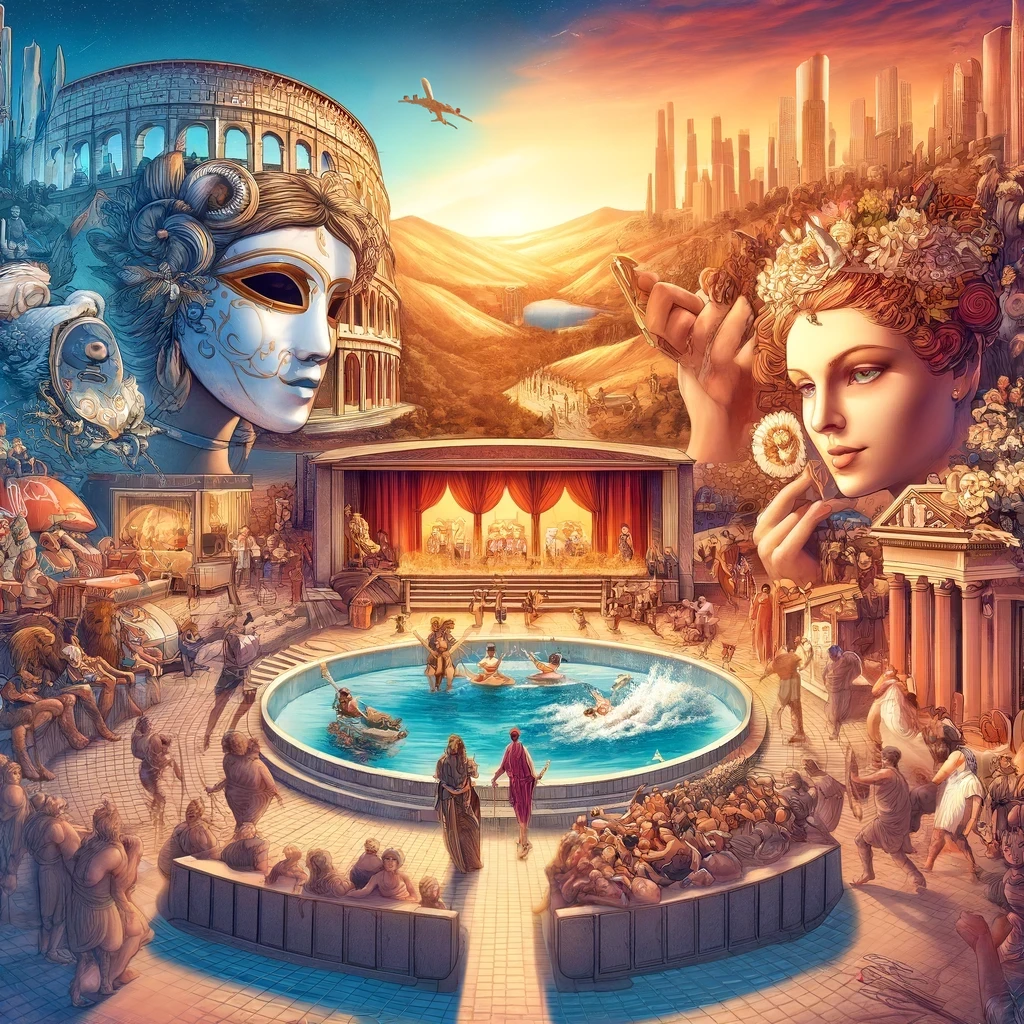
Romans engaged in various entertainment activities to enrich their lives. They enjoyed theaters, baths, and the Colosseum, with gladiatorial games being particularly popular. Key elements of Roman entertainment culture include:
- Theater: Roman theaters were venues for comedies, tragedies, and other performances. Romans adopted and adapted Greek theater styles.
- Baths: Roman baths were more than just places for bathing; they were social hubs where people could exercise, read, and socialize.
- Colosseum: The Colosseum, a symbol of Roman entertainment, hosted gladiatorial games, animal hunts, and mock naval battles. It could accommodate tens of thousands of spectators.
- Amphitheater: In addition to the Colosseum, many amphitheaters across Rome hosted various games and performances.
- Circus: Roman circuses, such as the Circus Maximus, were primarily used for chariot races, accommodating large audiences.
Influence of Roman Entertainment Culture on Modern Entertainment
Roman entertainment culture has influenced modern entertainment in several ways:
- Theater and Performing Arts: Roman theater has significantly impacted contemporary theater and performing arts. The structure of Roman theaters laid the foundation for modern theater design, and genres such as comedy and tragedy remain popular.
- Sports Events and Stadiums: Roman amphitheaters, particularly the Colosseum, served as prototypes for modern sports stadiums. Today’s football stadiums and Olympic venues are designed similarly to accommodate large crowds.
- Public Baths and Health Clubs: Roman baths were precursors to modern health clubs and spas, providing facilities for bathing, exercise, and social interaction.
- Circus and Racing Events: Roman chariot races have influenced modern racing events, such as car racing. The thrill and excitement of motorsports are reminiscent of Roman chariot races.
- Entertainment Industry: Various aspects of Roman entertainment, such as theater, sports, and social baths, laid the groundwork for the contemporary entertainment industry, encompassing movies, sports, and wellness.
Specific Examples
- Colosseum Tours: The Colosseum remains a popular tourist attraction, allowing visitors to experience Roman entertainment culture firsthand.
- Modern Theater Performances: Shakespearean plays and modern comedies and tragedies continue the tradition of Roman theater.
- Olympic Stadiums: Modern Olympic stadiums are designed based on the structure of Roman amphitheaters, accommodating large audiences.
- Motorsports: Events like Formula 1 share the excitement and competitive spirit of Roman chariot races.
- Health Clubs and Spas: Modern health clubs and spas echo Roman baths, offering facilities for exercise, relaxation, and social interaction.
Conclusion
Roman entertainment culture has profoundly influenced modern entertainment activities and facilities. Theaters, sports stadiums, public baths, and circuses from Roman times continue to inspire contemporary entertainment. Understanding Roman entertainment culture helps us appreciate the origins and development of modern entertainment. The legacy of Roman entertainment remains evident in our daily lives.
Additional Questions
- How does Roman entertainment culture compare to that of other ancient civilizations?
- What are the differences between Roman theaters and modern theaters?
- What are the similarities and differences between the Roman Colosseum and modern sports stadiums?
- How has Roman entertainment culture influenced modern movies and TV programs?
- What do modern spas and health clubs, inspired by Roman bath culture, look like?
1. How does Roman entertainment culture compare to that of other ancient civilizations?
Roman Entertainment Culture:
- Gladiatorial Games: The Colosseum hosted gladiatorial games, a central element of Roman entertainment, drawing large crowds.
- Theater: Roman theaters presented comedies, tragedies, and other performances, blending Greek styles with Roman innovations.
- Baths: Roman baths were multifunctional social hubs for bathing, exercise, reading, and socializing.
Greek Entertainment Culture:
- Theater: Greek entertainment focused on theater, with tragedies and comedies performed at venues like the Theatre of Dionysus in Athens.
- Olympic Games: The Greeks held various sports competitions, including the Olympic Games, which were significant cultural events.
Egyptian Entertainment Culture:
- Festivals and Rituals: Egyptian entertainment centered around religious festivals and rituals, celebrating gods and pharaohs.
- Board Games: Egyptians enjoyed board games like Senet, which held both recreational and religious significance.
Chinese Entertainment Culture:
- Chinese Opera: Traditional Chinese opera combined music, dance, singing, and martial arts.
- Tea Culture: Social activities often involved tea drinking, emphasizing social interaction and relaxation.
2. What are the differences between Roman theaters and modern theaters?
Roman Theaters:
- Architecture: Designed as semi-circular structures with open-air performance spaces and large scaenae frons (stage backdrops).
- Performance Types: Hosted comedies, tragedies, mime, and mock battles, often with political or social messages.
- Audience: Performances were free, attracting diverse social classes.
Modern Theaters:
- Architecture: Enclosed indoor spaces equipped with advanced acoustics and lighting systems.
- Performance Types: Offer a variety of performances, including plays, musicals, operas, and ballets, often in specialized venues.
- Audience: Tickets are sold, with prices varying based on seating and performance type.
3. What are the similarities and differences between the Roman Colosseum and modern sports stadiums?
Similarities:
- Large Audience Capacity: Both accommodate large crowds, with the Colosseum seating around 50,000 and modern stadiums hosting tens of thousands.
- Central Arena: Feature a central arena surrounded by seating, ensuring good visibility for spectators.
- Entertainment Purpose: Both provide thrilling entertainment, whether gladiatorial games or sports competitions.
Differences:
- Purpose: The Colosseum primarily hosted gladiatorial games and animal hunts, while modern stadiums focus on sports like football and baseball.
- Technology: Modern stadiums feature advanced technology, including screens, sound systems, and lighting, enhancing the spectator experience.
- Social Role: The Colosseum served as a tool for political propaganda and public appeasement, whereas modern stadiums emphasize sportsmanship and competition.
4. How has Roman entertainment culture influenced modern movies and TV programs?
Roman entertainment culture has influenced modern movies and TV programs in various ways:
- Epic Films: Roman history and mythology inspire epic films such as "Gladiator," "Rome," and "Spartacus," blending historical drama with action.
- Sports Dramas: The competitive and dramatic elements of gladiatorial games are mirrored in sports dramas, emphasizing victory, defeat, and perseverance.
- Reality Shows: The public fascination with competition and survival in Roman times parallels modern reality shows that focus on challenges and survival.
- Historical Documentaries: Documentaries about the Roman Empire educate and entertain, similar to how Roman public performances were both educational and entertaining.
5. What do modern spas and health clubs, inspired by Roman bath culture, look like?
Modern spas and health clubs, inspired by Roman bath culture, feature:
- Multipurpose Facilities: Combining exercise areas, swimming pools, saunas, and relaxation spaces, similar to Roman baths' multifunctional design.
- Social Spaces: Providing areas for socializing, such as lounges and cafes, reflecting the social aspect of Roman baths.
- Health and Wellness Focus: Offering treatments and activities that promote physical and mental well-being, echoing the Roman emphasis on health.
- Luxurious Environment: Featuring elegant interiors and comfortable amenities, mirroring the opulence of Roman public baths.