2024. 6. 11. 00:09ㆍ카테고리 없음
The Influence of Roman Architecture on Modern Architecture
The Roman Empire was innovative in architectural technology and design, and its influence continues to this day. Roman architecture, which blends art, science, and technology, has inspired many aspects of modern architecture. This post will explore how Roman architecture has impacted contemporary architectural practices and provide specific examples.
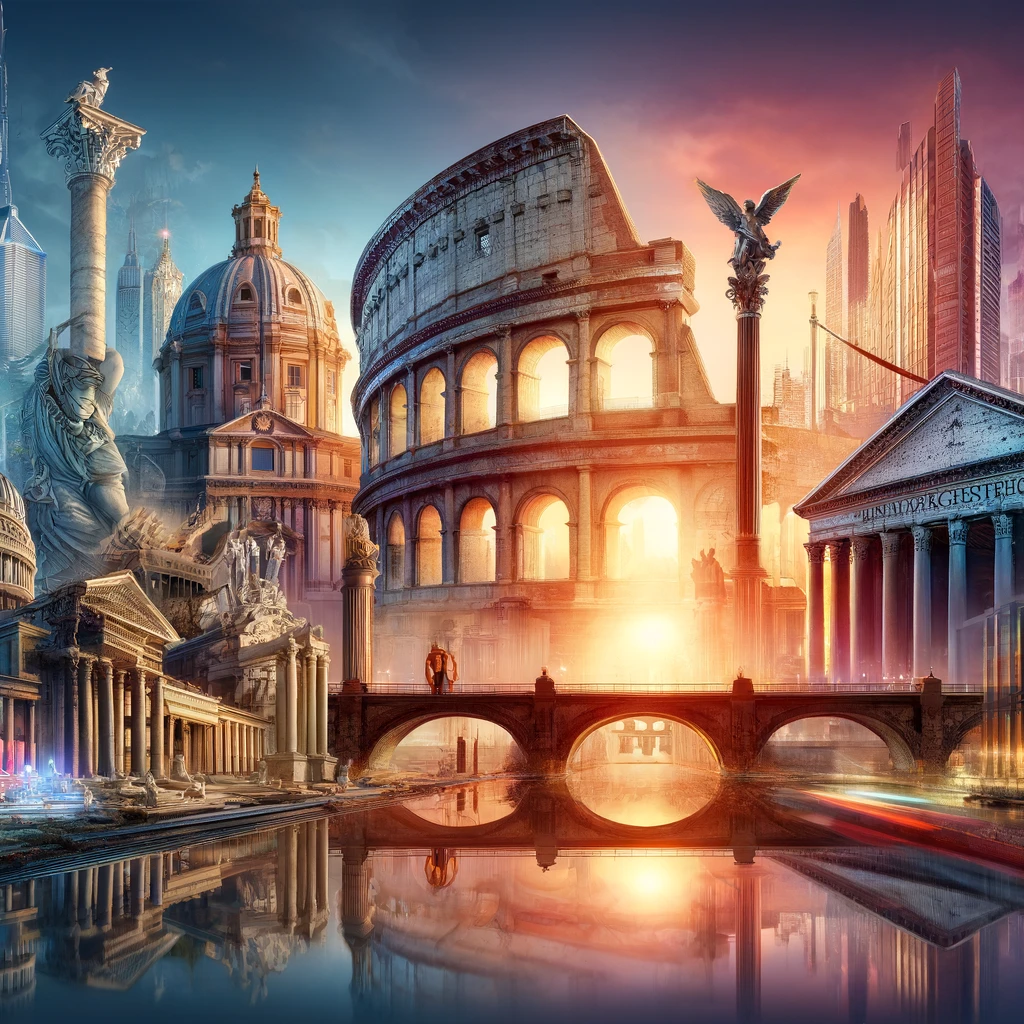
Key Features of Roman Architecture
Roman architecture is known for several distinctive features, including:
- Arches: Romans used arches to achieve both structural stability and aesthetic appeal. Arches effectively distribute weight, making them ideal for supporting large spaces.
- Domes: Romans successfully created large internal spaces with domes. The Pantheon’s dome is renowned for its technical precision and beauty.
- Concrete: Romans developed a durable form of concrete by mixing volcanic ash (pozzolana), allowing for the construction of long-lasting buildings. This concept is similar to modern concrete.
- Public Buildings: Rome invested heavily in constructing large public buildings, such as amphitheaters (Colosseum), public baths (Thermae), bridges, and aqueducts, showcasing their architectural prowess.
Impact on Modern Architecture
These Roman architectural features have influenced modern architecture in various ways:
- Use of Arches and Domes: Arches and domes are still widely used in many modern buildings. Examples include the U.S. Capitol dome and the Duomo in Florence, which draw inspiration from Roman architecture.
- Concrete Technology: Roman concrete laid the foundation for modern concrete technology. Today’s diverse concrete mixtures and reinforcement techniques are inspired by Roman innovations.
- Public Buildings: Roman large-scale public buildings have influenced modern urban planning and architecture. Modern stadiums, parks, and bridges follow Roman design principles.
- Urban Planning: Rome was known for its efficient urban planning. Today’s city planning references Roman road networks and infrastructure development methods.
Specific Examples
- Colosseum and Modern Stadiums: The Colosseum is the prototype for large-capacity stadiums. Modern Olympic stadiums and football arenas are based on its design.
- Pantheon and Modern Dome Structures: The Pantheon’s dome, with a diameter of 43.3 meters, was the largest of its time. This dome structure influenced the design of buildings like the U.S. Capitol and St. Peter’s Basilica.
- Roman Road Network and Modern Infrastructure: Roman roads enabled efficient transportation systems. Today’s highway systems and bridge construction apply principles from the Roman road network.
Conclusion
Roman architecture is a prime example of the fusion of technological innovation and aesthetic beauty. Elements such as arches, domes, and concrete have greatly influenced modern architecture, and their impact remains significant. Understanding Roman architecture helps us appreciate the development and origins of modern architectural practices. The legacy of Roman architecture enriches human history and culture, and its traces can still be found in our daily lives.
Additional Questions
- What other elements of Roman architecture are there?
- How has Roman architecture specifically influenced modern architectural technology?
- What are the differences between Roman architecture and that of other ancient civilizations?
- How are Roman architectural design elements applied in contemporary architecture?
- What would a travel guide look like for visiting the iconic buildings of Roman architecture?
1. What other elements of Roman architecture are there?
Other important elements of Roman architecture include
- Architectural Columns: Romans used Doric, Ionic, and Corinthian columns. The Corinthian style, with its elaborate decorations, is particularly noteworthy.
- Aqueducts: Roman aqueducts were designed to supply water to cities. They used gravity alone to move water over long distances, a remarkable technical achievement.
- Forums: Roman forums were the centers of political, economic, and social life, with a concentration of public buildings and shops.
- Public Baths: Roman baths (Thermae) were multifunctional complexes for bathing, socializing, exercise, and relaxation.
2. How has Roman architecture specifically influenced modern architectural technology?
Roman architecture has influenced modern architectural technology in various ways
- Arch Structures: Arches effectively distribute weight, making them ideal for modern bridges, tunnels, and buildings.
- Dome Technology: Roman dome techniques are crucial in constructing large sports arenas, government buildings, and churches.
- Concrete Usage: Roman concrete was a breakthrough in durability and ease of use. Modern construction relies heavily on various concrete formulations inspired by Roman techniques.
3. What are the differences between Roman architecture and that of other ancient civilizations?
Key differences between Roman architecture and that of other ancient civilizations include
- Egyptian Architecture: Primarily known for pyramids and temples made from large stone blocks, Egyptian architecture had a strong religious focus.
- Greek Architecture: Greek architecture emphasized balance and proportion, with temples and theaters being prominent. Greek column styles influenced Roman architecture, but Rome developed more diverse building types.
- Mesopotamian Architecture: Known for ziggurats made of mud bricks, Mesopotamian architecture contrasts with Rome's use of stone and concrete.
4. How are Roman architectural design elements applied in contemporary architecture?
Roman architectural design elements are applied in modern architecture in various ways
- Arches and Domes: These are used in contemporary buildings to achieve aesthetic beauty and structural stability.
- Forum-Style Public Spaces: Modern urban planning incorporates forum-style public squares and parks, providing spaces for social interaction.
- Column Styles: Decorative columns, especially Corinthian, are used in modern government buildings and upscale structures.
- Aqueduct-Inspired Infrastructure: Modern water supply and drainage systems are designed based on the efficiency of Roman aqueducts.
5. What would a travel guide look like for visiting the iconic buildings of Roman architecture?
If you want to visit iconic Roman architecture, here’s a suggested travel guide
- Colosseum: This iconic amphitheater hosted gladiatorial games. Guided tours provide insights into its internal structure and historical significance.
- Pantheon: Dedicated to all Roman gods, the Pantheon’s dome is a must-see. Visit to experience the oculus and the play of light inside.
- Roman Forum: Walk through the political, economic, and social center of ancient Rome. Explore various ruins and buildings.
- Baths of Caracalla: These large public baths offer a glimpse into Roman social life. Take a guided tour to learn about the bathhouse structure and functions.
- Appian Way: One of Rome’s major roads, starting from Rome to Brindisi. Walk or bike along the road to experience Roman engineering.